


Pearl Jewelry Guide: Freshwater vs. Akoya vs. South Sea Pearls
Why Pearl Type Matters
Not all pearls are the same. The type of pearl determines its luster, size, shape, durability, and price. Whether you're shopping for a classic pearl necklace, a pair of pearl earrings, or a pearl ring, understanding the differences helps you make a confident, informed choice.
At Queen of Gemz, we carry pearl jewelry set in solid gold — browse our Pearl Necklaces, Pearl Earrings, and Pearl Rings collections.
The Three Main Types of Pearls
1. Freshwater Pearls
Freshwater pearls are cultivated in lakes and rivers, primarily in China. They are the most widely available and affordable type of pearl, which makes them a popular choice for everyday jewelry.
- Luster: Soft, satiny glow — less mirror-like than Akoya
- Size: Typically 5–11mm, though larger sizes are available
- Shape: Often slightly off-round; perfectly round freshwater pearls are rarer and more valuable
- Color: White, cream, pink, lavender — wide natural color range
- Durability: Solid nacre throughout, making them very durable
- Price: Most affordable of the three types
Best for: Everyday wear, layering, first pearl purchase, gift giving.
2. Akoya Pearls
Akoya pearls are the classic pearl — the kind most people picture when they think of a pearl necklace. They are cultivated in saltwater oysters, primarily in Japan, and are prized for their exceptional luster and near-perfect round shape.
- Luster: High, mirror-like shine — the brightest of any pearl type
- Size: Typically 6–8mm; larger sizes are rare
- Shape: Very round and uniform
- Color: White or cream, often with a pink or silver overtone
- Durability: Thinner nacre than freshwater; handle with care
- Price: Mid-range; higher than freshwater, lower than South Sea
Best for: Classic pearl strands, formal occasions, bridal jewelry.
3. South Sea Pearls
South Sea pearls are the rarest and most luxurious of the three. Cultivated in the warm waters of Australia, Indonesia, and the Philippines, they grow inside the large Pinctada maxima oyster and are known for their exceptional size and satiny luster.
- Luster: Soft, deep, satiny glow — distinct from the bright shine of Akoya
- Size: Typically 10–15mm; the largest of any cultured pearl
- Shape: Round to baroque; perfectly round South Sea pearls command a premium
- Color: White, silver, or golden (golden South Sea pearls come from the Philippines)
- Durability: Thick nacre; very durable
- Price: Premium — the most expensive cultured pearl type
Best for: Statement pieces, heirloom jewelry, special occasions.
Quick Comparison
| Type | Origin | Luster | Typical Size | Price Range |
|---|---|---|---|---|
| Freshwater | China (rivers/lakes) | Soft, satiny | 5–11mm | $ |
| Akoya | Japan (saltwater) | High, mirror-like | 6–8mm | $$ |
| South Sea | Australia/Indonesia/Philippines | Deep, satiny | 10–15mm | $$$ |
What About Cultured vs. Natural Pearls?
Nearly all pearls sold today — including all three types above — are cultured pearls. This means a small nucleus was inserted into the mollusk to stimulate pearl growth. Natural pearls (formed entirely without human intervention) are extremely rare and almost exclusively found in antique jewelry or auction houses. Cultured pearls are real pearls; the culturing process simply initiates what nature completes.
How to Care for Pearl Jewelry
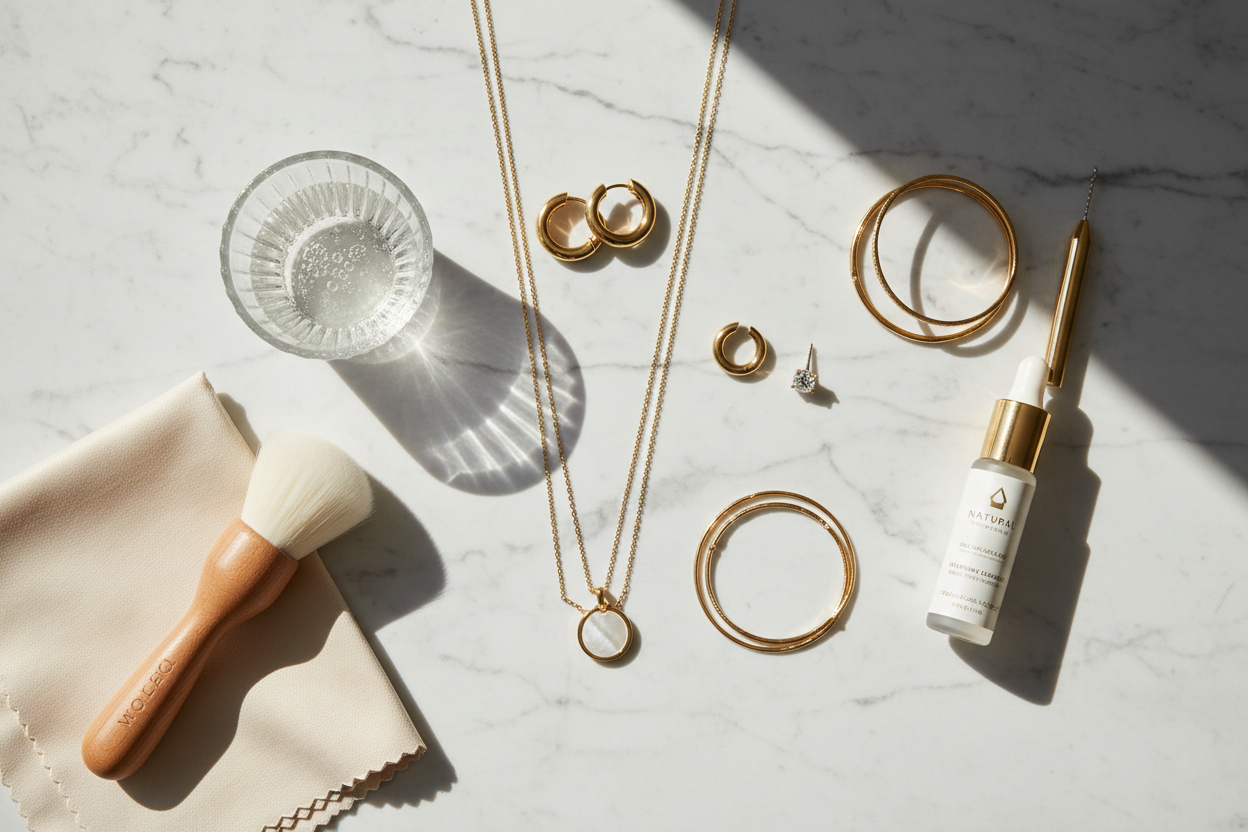
Pearls are organic gems and require a little extra care:
- Put pearls on after applying perfume, hairspray, and lotion — chemicals dull the nacre
- Wipe with a soft, damp cloth after wearing
- Store separately from other jewelry to avoid scratching
- Never use ultrasonic cleaners or harsh chemicals on pearls
- For strung pearl necklaces, have them restrung every few years
Shop Pearl Jewelry at Queen of Gemz
Our pearl pieces are set in solid gold — a combination that balances the warmth of pearls with the lasting value of fine metal. Explore the collection:
Looking for a gift? Our Gifts collection includes pearl pieces at a range of price points.

Written by Skylar Queen